The Mistakes We See Over and Over Again
After 40-plus years of running commercial renovations in Kamloops and the Thompson Okanagan, you start to notice patterns. Not in the buildings — every project is different — but in the mistakes. The same handful of missteps trip up first-time tenants, seasoned property owners, and even out-of-town developers who underestimate what it takes to renovate a commercial space in a smaller BC market.
None of these are catastrophic on their own. But each one quietly adds days to the schedule, dollars to the budget, or stress to a project that's already running on a lease deadline. Here are the seven we see most often, and how to sidestep them on your next commercial renovation in Kamloops.
1. Treating the Lease Like a Formality
The single most expensive mistake we see is signing a commercial lease without reading the tenant improvement clauses carefully. Leases dictate what you can and can't change, who pays for what, what the landlord has to approve, and what condition you have to leave the space in when you eventually move out. We've watched tenants discover after signing that their landlord requires use of a specific list of contractors, that the TI allowance only covers landlord-approved scope items, or that what they thought was a turnkey buildout is actually their responsibility from the studs out.
Before you sign, get a contractor and ideally a commercial real estate lawyer to read the TI provisions. A 30-minute review can save tens of thousands of dollars and weeks of negotiation later.
2. Underestimating Permit and Approval Timelines
Kamloops is a great city to build in, but the permit process still takes time — and a surprising number of business owners build their opening dates around an assumption that permits will come through in days. They don't. A standard tenant improvement permit through the City of Kamloops typically takes two to four weeks of review once a complete package is submitted. Anything involving occupancy class changes, structural modifications, or significant mechanical or electrical work can stretch longer.
Add design time before that, and landlord sign-off, and you're realistically looking at six to ten weeks from "we want to renovate" to "shovels in the ground." Build that runway into your lease commencement date, not around it.
3. Skimping on the Site Visit
Drawings are useful. Site visits are essential. We've seen landlords market a space as "ready for tenant improvement" only for our team to find out on the first walkthrough that the existing electrical service can't support the tenant's planned use, that the ceiling plenum is full of someone else's HVAC ductwork, or that the demising wall on the drawings doesn't actually exist yet. None of that shows up in a leasing brochure.
Before construction pricing means anything, an experienced commercial contractor needs to physically walk the space, look behind ceiling tiles, check electrical panels, and verify what's actually there. Pricing based purely on a drawing set is pricing based on assumptions — and assumptions become change orders.
4. Choosing a Contractor on Price Alone
Commercial renovation bids in Kamloops can vary widely, and the cheapest number is rarely the best deal. A low bid often means the contractor missed scope items that a more thorough bidder caught — and those missed items reappear later as change orders, usually at less competitive pricing. Other times, a low number signals a contractor who plans to make their margin on substitutions, lower-grade subtrades, or speed over quality.
The smarter comparison is line-by-line: what's actually included, what subtrades are named, what allowances are realistic, and what the contractor's track record looks like on similar projects. A commercial contractor in Kamloops who's done dozens of office buildouts, retail fit-outs, or medical clinic projects will price differently than someone treating it as a one-off — and the difference usually shows up in the finished product.
5. Ignoring Mechanical and Electrical Capacity Early
The walls and finishes are the visible part of a renovation. The mechanical and electrical systems are where projects actually go sideways. A new restaurant pushing a high makeup-air load, a dental clinic adding compressors and vacuum systems, a tech office stuffing 40 workstations into a space designed for 15 — all of these can exceed what the existing building systems were sized for.
The fix is rarely impossible, but it's almost always expensive and slow if it surfaces partway through construction. A good commercial contractor will pull mechanical and electrical engineers into scoping early, even before the design is finalized, so capacity issues come out in week two instead of week ten.
6. Forgetting Accessibility and Code Upgrade Triggers
BC Building Code has triggers that require accessibility, fire separation, or energy performance upgrades when certain types of work are done — even if those upgrades feel unrelated to what the tenant wants. Change an occupancy classification, and you may be on the hook for upgraded washrooms, wider doors, or new exit signage. Touch the building envelope, and you may need to meet current energy compliance standards.
This catches a lot of Kamloops tenants off guard, particularly those moving into older commercial buildings downtown or in the North Shore industrial areas. The mistake isn't doing the upgrades — they're often required by law. The mistake is not budgeting for them. A contractor familiar with the City of Kamloops permit process should flag these early so they're priced into the project from day one.
7. Cutting Closeout and Commissioning Short
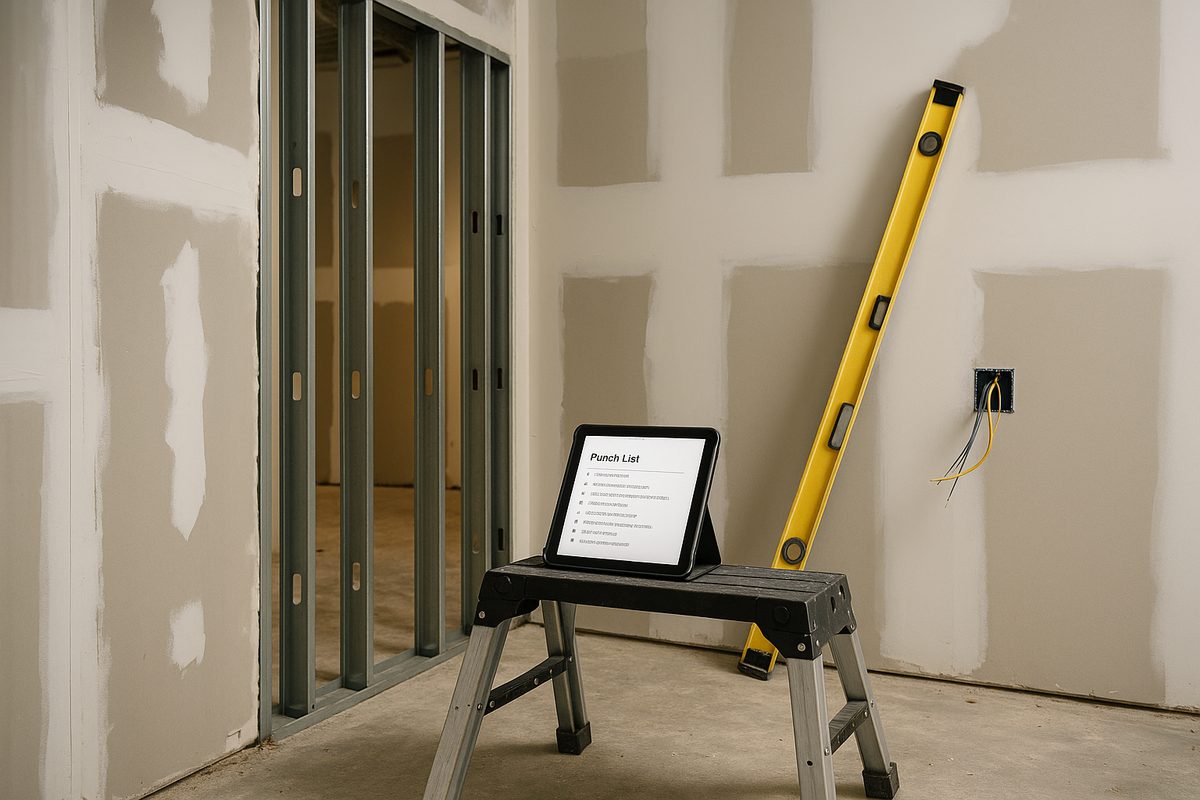
The last 5% of a renovation is where the project either lands cleanly or unravels. Deficiency lists, mechanical commissioning, occupancy permits, warranty documentation, and final cleaning all happen in the same crowded window — and tenants under pressure to open often want to move in before the work is truly finished. That's how punch list items become long-term annoyances and warranty issues become disputes.
Build a real buffer between substantial completion and the date you actually need to be operating. Walk the space with your contractor, document everything, and don't sign off until commissioning reports are in hand. The extra week of patience pays for itself within the first quarter of operations.
Quick Tips for Avoiding These Mistakes
A few habits separate the smoothest commercial renovations from the painful ones in Kamloops: bring a contractor in before you sign the lease, not after; budget six to ten weeks for design and permits before construction starts; insist on a proper site visit before accepting any bid; compare bids line-by-line, not bottom-line; engage mechanical and electrical engineers in early scoping; ask explicitly about code upgrade triggers during pricing; and protect the closeout window like the rest of the schedule depends on it — because it does.
Work With a Kamloops Commercial Contractor Who's Seen It All
Most of these mistakes are avoidable with the right team in the room early. Hodder Construction has been delivering commercial renovations in Kamloops since 1983, and we've helped business owners across the Thompson Okanagan navigate every one of the issues above — usually before they became issues. If you're planning a commercial renovation, tenant improvement, or fit-out and want a straight conversation about scope, timeline, and budget, [request an estimate from Hodder Construction](https://www.hodder.ca/estimate). We'll walk the space, ask the right questions, and give you a number you can actually plan around.